



By Clint Junell, Co-Founder & Owner of Mr. Restore · IICRC-certified restoration company, founded 2008 · Updated October 2026
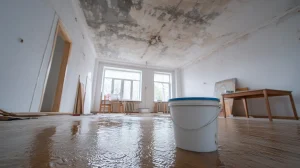
Water damage can turn any home into a chaotic mess. From soaked carpets to drenched walls, it’s easy to feel overwhelmed by the destruction. But behind the scenes, water mitigation experts rely on a well-honed science to make restoration not only possible but efficient. Drying isn’t just about letting things air out—it’s a meticulous process involving physics, engineering, and advanced technology to ensure every last bit of moisture is eliminated.
If you’ve ever searched for water mitigation services near me, you’ve probably come across professionals who specialize in both stopping further damage and restoring your property to its original condition. Here’s a closer look at the science of drying and what makes water mitigation so effective.
Why Drying is the Foundation of Water Mitigation
When water infiltrates your home, it doesn’t just sit on the surface. It seeps into porous materials like drywall, insulation, and wood, making complete removal challenging. Without proper drying techniques, trapped moisture can lead to:
- Mold growth: Mold can begin to develop within 24-48 hours of water exposure.
- Structural weakening: Water can compromise the integrity of wood, drywall, and flooring.
- Health hazards: Bacteria, allergens, and pathogens can thrive in damp environments.
- Increased repair costs: The longer water damage goes untreated, the more expensive the repairs become.
- Evaporation
- Dehumidification
- Air Movement
- Moisture Meters
- Thermal Imaging Cameras
- High-Powered Air Movers
- Industrial Dehumidifiers
- Heat Drying Systems
- Assessment and Planning
- Water Removal
- Controlled Drying
- Monitoring Progress
- Final Restoration
- Inadequate Equipment: Household fans and dehumidifiers lack the power to dry materials deeply and evenly.
- Hidden Moisture: Without tools like moisture meters and thermal cameras, it’s nearly impossible to detect water trapped in walls, insulation, or flooring.
- Risk of Mold: Incomplete drying creates an environment for mold growth, which can go unnoticed until it causes significant health and structural issues.
- Preserved Structural Integrity
- Healthier Indoor Environment
- Reduced Repair Costs
- Peace of Mind
- Rapid Response Times: Water damage requires immediate attention to prevent further issues.
- Certified Professionals: Look for certifications like IICRC (Institute of Inspection, Cleaning, and Restoration Certification).
- State-of-the-Art Equipment: Ensure the company uses advanced tools for comprehensive drying and restoration.
- Comprehensive Services: Choose a team that handles both mitigation and restoration to save time and effort.