


Table of Contents
- What a 60-Minute Arrival Guarantee Actually Means
- How to Verify a Response Time Promise
- How Fast Response Saves Money and Prevents Secondary Damage
- Emergency Water Damage Cleanup: What Technicians Do on Arrival
- Your Checklist While Waiting for the Restoration Company
- Insurance Claims for Emergency Restoration: How Rapid Response Helps
- Why IICRC Certified Restoration Professionals Matter
- Conclusion
- Frequently Asked Questions
Last Updated: September 12, 2026
What a 60-Minute Arrival Guarantee Actually Means
A 60-minute arrival guarantee is a written commitment that a restoration company will have a crew physically on your property within one hour of your emergency call. At Mr. Restore, that promise is the backbone of how we operate, and it exists because the first hour after water, fire, or storm damage determines how much of your home or building can be saved.
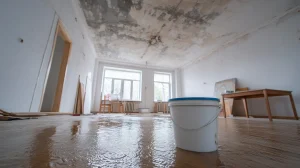
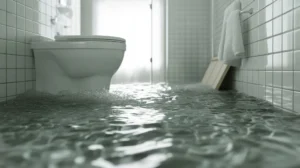
Why the urgency? Water doesn’t wait. It wicks into drywall, creeps under flooring, and pushes into wall cavities within minutes of a supply line failure. Every hour you spend calling around is an hour the damage spends spreading.
Below, we’ll show you exactly how to verify a response-time promise, what technicians do when they arrive, and how to protect your property while you wait.
How to Verify a Response Time Promise
A 60-minute arrival guarantee is only worth what a company’s dispatch infrastructure can actually deliver. Most competitors advertise the number; very few explain how to confirm it. Here is how to separate a real commitment from a marketing slogan before you sign anything.
Ask for the dispatch address, not the corporate address. A company that can genuinely reach you in 60 minutes has a staffed dispatch hub within roughly a 30-to-45-minute drive of your property. Ask which location would send the crew to your address, then confirm that location is staffed overnight. A national call center that routes your job to a subcontractor cannot promise a 60-minute window, because it does not control the crew.
Test the phone line before you have an emergency. Call the after-hours number on a weekday evening and time how long it takes a live person to answer. Ask three questions: What is your average arrival time in my ZIP code over the last 90 days? How many crews are on call tonight? What happens to my arrival window if a prior job runs long? A company with real capacity answers these without hesitation. A company reading from a script deflects.
Read the guarantee language in the intake paperwork. A written commitment should state the trigger (when the clock starts, at call pickup or at dispatch), the window (60 minutes to arrival, not to dispatch), and the remedy if the window is missed. If the promise only exists on a website banner and not in the contract, it is not a guarantee.
Check the credential that backs the protocol. The IICRC’s standards for professional restoration give companies a recognized framework for response and drying protocols, which makes them a useful benchmark when you’re comparing promises. Ask for the firm’s certification number and confirm it through the IICRC’s certified firm lookup before work begins.
Look for the infrastructure markers that make 60 minutes possible. These are the operational tells that separate a real guarantee from a slogan:
- A local dispatch hub, not a national call center that routes your job to a subcontractor.
- 24/7 live answering, so a real person logs your address and damage type immediately.
- Truck-mounted extraction and drying equipment staged locally, not hauled in from another region.
- A written commitment, included in your intake paperwork, not just spoken on the phone.
- A published service area small enough that a 60-minute drive is physically realistic.
A common mistake is calling your insurance company before a restoration company. Filing the claim first is fine, but every hour spent on hold is an hour of active water damage. Call for emergency dispatch and your insurer in parallel.
If a company cannot answer the dispatch-address question, the after-hours timing test, and the written-guarantee question, treat the 60-minute claim as aspirational rather than contractual.
How Fast Response Saves Money and Prevents Secondary Damage
Rapid response saves money because it stops secondary damage before it starts. Secondary damage is everything that happens after the initial event: warped hardwood, stained ceilings, compromised drywall, and the conditions that let mold colonization begin in as little as 24 to 48 hours (the EPA).
The math is straightforward. A fast extraction and structural drying job is a contained project. Let water sit for a day or two and you’re looking at replacing materials instead of drying them, plus temporary relocation costs for occupants.
Many property managers find that the difference between a two-day disruption and a two-week shutdown comes down to how quickly a crew reached the site.
The First 60 Minutes: What Happens Inside Your Walls
Water migrates through building materials in ways you can’t see from the surface. It travels along studs, pools on vapor barriers, and saturates insulation long before a stain appears on your ceiling.
That’s why moisture mapping matters. Technicians use thermal imaging and pin-type meters to trace where water actually went, not just where it looks wet. A wall that reads dry on the surface can hide saturated cavity insulation behind it.
Stop the source, map the moisture, and you’ve bought yourself time. Skip that step and the hidden pockets become the expensive part of the claim.
Emergency Water Damage Cleanup: What Technicians Do on Arrival
Emergency water damage cleanup begins with an on-site assessment and hazard check, then moves straight into water extraction and structural drying. The goal of that first visit is containment: stop the source, remove standing water, and set the drying environment in motion.
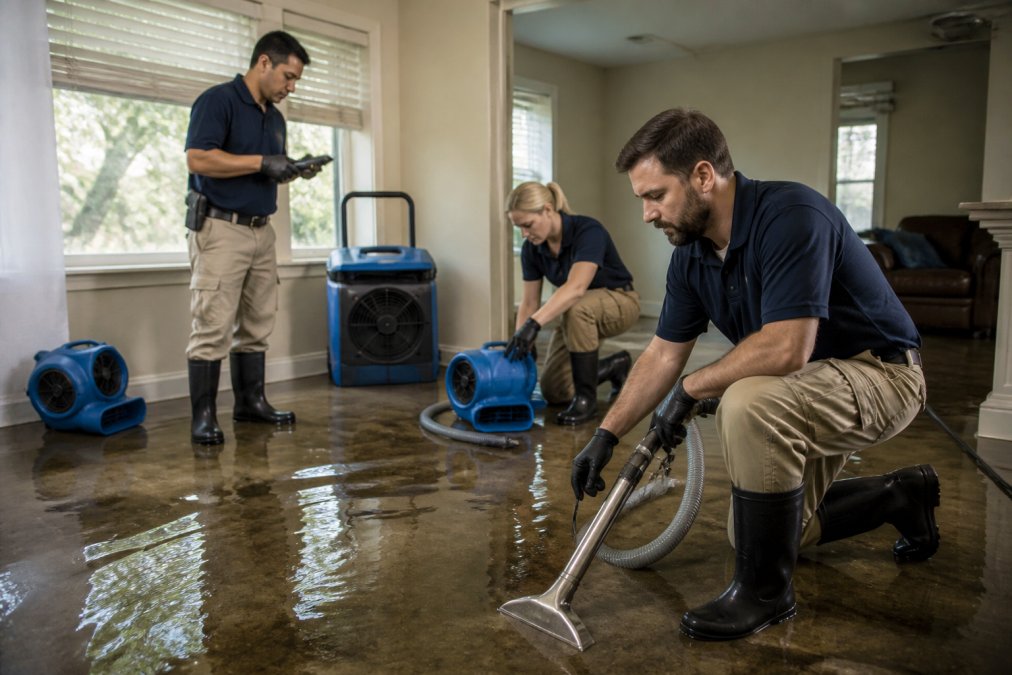
A typical arrival sequence looks like this:
- Source control and safety check – shut off the water, assess electrical hazards, and document conditions.
- Water extraction – remove standing water with truck-mounted or portable units.
- Moisture mapping – thermal imaging and meters to find hidden saturation.
- Damage containment – isolate affected areas to limit spread.
- Drying setup – position dehumidification and air movement equipment to IICRC standards.
- Insurance claim documentation – photograph and log everything before, during, and after.
Certified technicians don’t just dry what’s visible. They verify moisture levels in wall cavities, subfloors, and ceilings, then document the readings. That documentation is what your adjuster uses to approve the claim.
::: Such precise records serve as the foundation for your financial recovery, though navigating the complexities of these settlements often leads homeowners to consider hiring a public adjuster to ensure every detail of the damage is fully accounted for.
Your Checklist While Waiting for the Restoration Company
You can protect your property during the wait without putting yourself at risk. Do these things, and skip anything that involves standing water near outlets, gas lines, or sagging ceilings.
- Shut off the water supply if you can safely reach the valve.
- Turn off electricity to affected rooms at the breaker, but only if you can reach the panel without wading through water.
- Move furniture, rugs, and electronics off wet flooring.
- Lift curtains and draperies away from wet walls.
- Photograph and video everything before you move it.
- Keep pets and children out of the affected area.
- Don’t run a household vacuum on standing water.
- Don’t tear out drywall or flooring yourself; that can complicate your claim.
That last point matters more than people expect. Adjusters document conditions as found, and early demolition removes evidence they need.
Insurance Claims for Emergency Restoration: How Rapid Response Helps
Insurance claims for emergency restoration move faster when the documentation is clean, timestamped, and complete. Rapid response gives your adjuster a clear before-and-after record, which reduces disputes over what was damaged and when.
Direct insurance billing removes another friction point. Instead of paying out of pocket and waiting for reimbursement, the restoration company bills your carrier directly for covered work, so you’re not fronting the full cost while the claim processes.
A word of caution: coverage, deductibles, and payout timing vary by policy, so confirm the specifics with your adjuster. What rapid response reliably delivers is the evidence trail that supports your claim.
Don’t discard damaged materials before an adjuster sees them. Throwing out soaked carpet or ruined drywall before documentation can shrink your settlement, because the loss becomes harder to verify.
Why IICRC Certified Restoration Professionals Matter
IICRC certification is a credential issued by the Institute of Inspection, Cleaning and Restoration Certification, verifying that a technician has completed training in recognized restoration standards. For your project, it means the crew follows documented drying protocols rather than guesswork.
You can verify a company’s certification directly through the IICRC’s certified firm and technician lookup. Ask for the firm’s certification number and confirm it before work begins.
Mr. Restore is IICRC-certified, and our technicians apply those standards from the first on-site assessment through final documentation. For homeowners and property managers alike, that means a defensible record of what was done and why.
Conclusion
A disaster never arrives at a convenient time, and the company you call in that first hour shapes everything that follows. You need a crew that reaches you fast, documents the damage properly, and works directly with your insurance carrier.
Mr. Restore has built its entire operation around that first hour, with a 60-minute arrival guarantee, 24/7/365 emergency dispatch, IICRC-certified technicians, direct insurance billing, and real-time project updates through our Job-Dox system. We’ve earned 233 five-star reviews and a BBB A+ rating by showing up when it counts.
Get started with Mr. Restore and stop the damage before it spreads.
Frequently Asked Questions
Why is a 60-minute arrival time important for water damage?
Water spreads through porous materials within minutes, and structural damage can begin within hours. A restoration company that arrives in 60 minutes can start emergency water damage cleanup before moisture reaches deeper into floors, walls, and ceilings. This limits secondary damage, reduces the chance of long-term structural problems, and often lowers the overall scope of repairs. The first few hours are critical for controlling moisture migration and preventing conditions that support mold growth.
What steps should I take while waiting for a restoration company?
Shut off the water source if it is safe to do so, and turn off electricity to affected areas only if you can reach the breaker panel without standing in water. Move furniture and valuables away from wet surfaces, and lift curtains or drapes off the floor. Do not use a household vacuum to remove water. Take photos or video of the damage for your insurance claims for emergency restoration. Avoid entering rooms with sagging ceilings or standing water near electrical outlets.
How does rapid response time minimize secondary property damage?
The longer water sits, the more it wicks into drywall, subflooring, and framing. Secondary damage prevention tips from IICRC certified restoration professionals focus on stopping that spread fast: water extraction, structural drying, dehumidification, and moisture mapping with thermal imaging. When a restoration company arrives within 60 minutes, technicians can stabilize the environment before humidity spikes and before materials reach the point where they must be replaced instead of dried in place.
Does a 60-minute arrival guarantee apply to all types of property damage?
Most 60-minute arrival guarantees cover emergency water damage cleanup, fire and smoke damage, storm damage, and sewage backups for both residential and commercial properties. Some situations, such as widespread regional flooding or severe weather events, can affect dispatch times across an entire area. Ask the restoration company directly about their service area, 24/7 availability, and whether the guarantee applies to your property type and location before you need them.