


Table of Contents
- Why Mold Grows After Water Damage
- How Long Does It Take for Mold to Grow After Water Damage
- The Critical Role of Moisture Content and Humidity
- Where Mold Hides: Common Problem Areas After Water Intrusion
- Mold Prevention After Water Damage
- Is Mold from Water Damage Covered by Insurance
- What to Do Immediately After Water Damage Occurs
- Conclusion
- Frequently Asked Questions
Last Updated: September 4, 2026
Why Mold Grows After Water Damage
Mold growth after water damage is not a random event; it is a predictable biological response to specific environmental conditions. Mold spores are present in virtually every indoor environment, but they remain dormant until they encounter three essential elements: moisture, a food source, and suitable temperatures. When a pipe bursts or floodwater seeps into a home, you are essentially activating a biological timer that, if left unchecked, leads to visible fungal colonization within days. This guide from Mr. Restore explains the science behind this rapid proliferation and, more importantly, outlines the exact steps you can take to stop it.
The connection between water intrusion and mold is so consistent that restoration professionals treat drying as a race against time. Understanding the timeline, the materials involved, and the hidden areas where moisture collects is the first line of defense for any homeowner. Below, we will show you exactly how to identify the risks, what to do in the critical first hours, and how to work with your insurance company to protect your property. But first, here is what most guides get wrong: they focus on cleaning visible mold rather than eliminating the moisture that allows it to thrive in the first place. Mold growth is a symptom; the underlying problem is always water.
How Long Does It Take for Mold to Grow After Water Damage
Mold can begin to grow within 24 to 48 hours of water exposure, provided the conditions are right (the CDC). This rapid timeline is why the restoration industry emphasizes immediate action, often referring to the first two days as the critical window for preventing widespread contamination. While you might not see visible mold immediately, the microscopic spores are already germinating on wet surfaces like drywall, wood, and carpet padding.
The speed of growth depends on several variables, including the level of moisture content in the materials and the ambient temperature. Warm, humid environments accelerate the process significantly. A common mistake is waiting for visible signs of mold before taking action. By the time you can see discoloration or smell a musty odor, the mold colony has likely been established for several days and has begun to penetrate porous surfaces like drywall and untreated wood.
Do not wait for visible mold to appear before you start drying your home. The 24-48 hour window is your only opportunity to prevent colonization. Once mold takes hold, remediation becomes a more complex and costly process involving removal of affected materials, not just cleaning.
The Critical Role of Moisture Content and Humidity
Moisture content is the single most important factor determining whether mold will grow after water damage. If you can remove the water and dry the structure quickly, you can prevent mold growth entirely. This is why professional water damage restoration focuses on structural drying and dehumidification rather than just wiping up standing water.
Relative humidity also plays a significant role. When humidity levels inside a home exceed 60 percent, the risk of mold growth increases substantially (the EPA). Hygroscopic materials like drywall, wood, and insulation absorb moisture from the air, creating a micro-environment that supports fungal growth even without direct water contact. This is why simply removing standing water is not enough; you must also address the moisture content trapped in building materials and the humidity in the air.
To effectively combat mold, you need to lower both the moisture content of affected materials and the relative humidity of the surrounding air. Professional-grade air movers and dehumidifiers are designed for this purpose, creating continuous air circulation that accelerates evaporation. Without this equipment, the drying process can take weeks, giving mold ample time to establish itself deep within walls and subfloors. The table below summarizes the key conditions that influence mold growth:
| Factor | Favorable Condition for Mold | Action to Prevent Growth |
|---|---|---|
| Moisture content | Above 16% in building materials | Use moisture meters to verify drying progress |
| Relative humidity | Above 60% indoors | Run dehumidifiers until levels drop below 50% |
| Temperature | 68°F to 86°F (20°C to 30°C) | Maintain moderate indoor climate during drying |
| Time | More than 48 hours of wetness | Begin extraction and drying within 24 hours |
Where Mold Hides: Common Problem Areas After Water Intrusion
Mold does not limit itself to open, visible surfaces. After water intrusion, it thrives in hidden cavities where moisture lingers and air circulation is poor. Knowing where to look is critical for effective mold prevention after water damage, because missed pockets of moisture can lead to recurring problems long after the initial cleanup.
The most common hiding spots include the interior of wall cavities, where water wicks up from the baseboard through a process known as drywall wicking. Baseboards and flooring transitions are also vulnerable, especially if carpet padding becomes saturated. Subfloor saturation is a serious concern in homes with plywood or OSB subfloors, as these materials absorb water rapidly and are slow to dry. Other frequent problem areas include the undersides of cabinets, insulation in attics and crawl spaces, and the ductwork of your HVAC system, which can distribute mold spores throughout the entire house if contaminated.
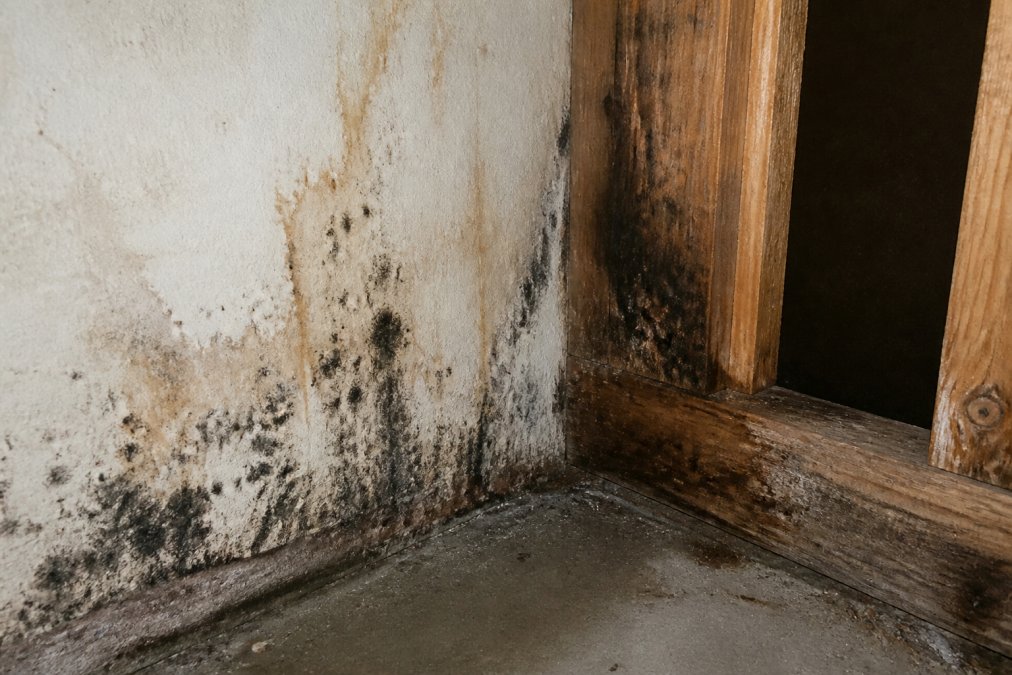
A thorough inspection requires more than a visual check. Restoration professionals use moisture mapping and thermal imaging to detect water trapped behind walls and under flooring without causing unnecessary demolition. These tools help identify the full extent of water intrusion, ensuring that all affected areas are dried and treated. If you are handling the cleanup yourself, pay close attention to any area that feels damp to the touch or shows water staining, and remember that materials like drywall and insulation that remain wet for more than a few days will almost certainly need to be removed and replaced. preventing bathroom mold.
Mold Prevention After Water Damage
Effective mold prevention after water damage hinges on speed and thoroughness. The goal is to remove excess water and begin drying the structure before mold spores can germinate. For minor spills or small leaks that you can handle yourself, start by extracting standing water with a wet/dry vacuum, then set up fans and a dehumidifier to promote air circulation and reduce moisture content.
For larger events, such as flooding or sewage backups, professional intervention is strongly recommended. The equipment required to dry a home properly is not typically available for rent at your local hardware store. Industrial-grade air movers, desiccant dehumidifiers, and specialized extraction tools are needed to dry structural cavities and prevent secondary damage. Attempting to handle a major water damage event with household fans often results in incomplete drying, which sets the stage for mold growth weeks later.
When drying a room, do not point fans directly at the wall. This can push water deeper into the drywall. Instead, position air movers at a slight angle to create a sweeping airflow across the surface, which promotes evaporation without forcing moisture further into the material.
A critical step in mold prevention is removing materials that cannot be dried quickly. Porous surfaces like carpet padding, upholstered furniture, and drywall that has been saturated for more than 48 hours should be discarded (fema.gov). These materials act as a sponge, holding moisture and providing an ideal food source for mold. Non-porous items like metal, glass, and hard plastics can typically be cleaned and dried, but porous items that have been contaminated with sewage or floodwater should always be thrown away due to health risks.
Is Mold from Water Damage Covered by Insurance
Mold coverage depends entirely on the cause of the water damage and the specific terms of your homeowners insurance policy. In general, if the water damage is from a sudden and accidental event, such as a burst pipe or appliance overflow, the resulting mold remediation is often covered. However, if the mold results from long-term neglect, such as a slow leak that was not repaired, coverage is typically denied because the damage is considered preventable.
Flood damage is a separate category. Standard homeowners policies do not cover flooding from natural causes, such as rising water from a storm or overflowing river. To be protected against flood-related mold, you would need a separate flood insurance policy through the National Flood Insurance Program. Understanding these distinctions is important before you file a claim.
Documentation is your best ally when dealing with an insurance claim. Photograph the water damage and any visible mold before you begin cleanup. Keep receipts for any emergency services, such as water extraction or boarding up windows. Most importantly, contact your insurance company as soon as possible to report the loss. An adjuster will need to inspect the damage before you begin any major restoration work. This is where working with a restoration company that offers direct insurance billing can simplify the process significantly. At Mr. Restore, our team is experienced in working directly with insurance adjusters to document damage and simplify the claims process, helping you get the coverage you are entitled to without the administrative headache. For clarity on what your specific policy covers, review your plan documents or speak directly with your agent.
What to Do Immediately After Water Damage Occurs
Your actions in the first hour after water damage can mean the difference between a simple drying job and a full-scale mold remediation. The priority is to stop the source of water and begin extraction as quickly as possible. If the water is coming from a burst pipe, shut off the main water valve. If the damage is from a storm or flooding, wait until it is safe to enter the property.
Once the water source is controlled, take these steps to mitigate damage and prevent mold growth:
- Turn off electricity in the affected areas if there is any risk of water coming into contact with outlets or appliances.
- Remove standing water using a wet/dry vacuum or pump. The faster you remove water, the less time materials have to absorb it.
- Move furniture and valuables out of the wet area. Place aluminum foil or plastic blocks under furniture legs to prevent them from staining wet carpets.
- Remove wet carpets and rugs if possible. Carpet padding is almost always unsalvageable after water damage.
- Open windows and doors to increase air circulation, but only if outdoor humidity is lower than indoor humidity.
- Document the damage with photos and video for your insurance claim before you begin removing materials.
- Contact a professional restoration company if the water damage is extensive or if the water source is contaminated, such as a sewage backup.
Attempting to handle a significant water damage event alone is rarely effective. Professional restoration services have the equipment and expertise to dry structures thoroughly, preventing the secondary damage that leads to mold. When you call a certified team like Mr. Restore, our IICRC-certified technicians arrive with the tools needed to assess moisture levels, extract water, and begin structural drying immediately. With a 60-minute arrival guarantee and 24/7 emergency response, we are equipped to stop the clock on mold growth and protect your home from further damage.
Conclusion
Mold growth after water damage is a race against time, driven by moisture, warmth, and organic materials. Understanding why mold grows after water damage helps you to act decisively in the critical first 48 hours. Quick water extraction, thorough drying, and proper documentation are the cornerstones of preventing a minor leak from becoming a major health and structural issue. When the job is too large for household tools, or when you need help navigating the insurance process, professional restoration services are the most reliable path to a safe, dry, and mold-free home.
Frequently Asked Questions
How long does mold take to grow after water damage?
Mold spores can begin fungal colonization within 24-48 hours of water exposure, though visible growth may not appear for several days. The exact timeline depends on temperature, relative humidity, and the material affected. Porous surfaces like drywall and carpet promote faster microbial growth than non-porous materials. This is why immediate water extraction and structural drying are critical, every hour counts when preventing mold from establishing itself in your home.
Can I prevent mold after water damage on my own?
You can take immediate steps to reduce mold risk: remove standing water, increase air circulation with fans, open windows to lower relative humidity, and use dehumidifiers to bring moisture content below 50%. However, water damage often affects hidden areas like subfloor saturation and wall cavities where mold prevention requires professional moisture mapping and thermal imaging. Drying these spaces thoroughly and safely typically requires industrial-grade equipment and expertise that DIY methods cannot match.
Is mold from water damage covered by homeowners insurance?
Coverage depends on the cause of water damage and your specific policy. Sudden water damage from burst pipes or storms is typically covered, but mold remediation may have limits or exclusions. Gradual water intrusion, seepage, or moisture from poor maintenance is usually not covered. Document everything immediately after water damage occurs, photograph affected areas, and contact your insurance company right away. Professional restoration companies can help with documentation and direct insurance billing to streamline the claims process.
What materials are most susceptible to mold after water damage?
Hygroscopic materials absorb moisture readily and support rapid microbial growth. Drywall, carpet, wood framing, insulation, and cellulose-based materials are highly susceptible. Subfloor saturation and drywall wicking, where water travels up interior walls, create ideal conditions for bioaerosols and mold colonies. Non-porous materials like tile and concrete resist mold but may trap moisture underneath, making professional water extraction and structural drying essential to prevent hidden fungal colonization.
Facing water damage and worried about mold? The team at Mr. Restore provides rapid, IICRC-certified restoration with a 60-minute arrival guarantee and 24/7 emergency response. We handle everything from water extraction to structural drying and work directly with your insurance company to simplify the claims process. Get started with Mr. Restore and stop mold before it starts.
This article was written using GrandRanker