


Table of Contents
- What Happens When You Call for Emergency Fire Damage Repair Services
- The Fire Damage Restoration Process: From Assessment to Rebuild
- Understanding Fire Damage Restoration Cost
- Navigating the Fire Damage Insurance Claim Process
- Residential Fire Damage Repair Timeline: What to Expect
- Residential vs. Commercial Fire Restoration: Key Differences
- Health Hazards After Fire Damage and Why Professional Remediation Matters
- Frequently Asked Questions
Last Updated: September 2, 2026
What Happens When You Call for Emergency Fire Damage Repair Services
When fire strikes, the first hours matter critically. Calling for emergency fire damage repair services prevents secondary damage that can cost tens of thousands more than the fire itself. Water from firefighting soaks into walls and foundations. Smoke penetrates HVAC systems. Structural integrity becomes questionable. Every minute of delay compounds the problem.
Mr. Restore responds within 60 minutes, 24/7/365. Our IICRC-certified technicians arrive with specialized equipment to stabilize the property immediately: tarping exposed areas, extracting water, and preventing mold colonization before it takes root.
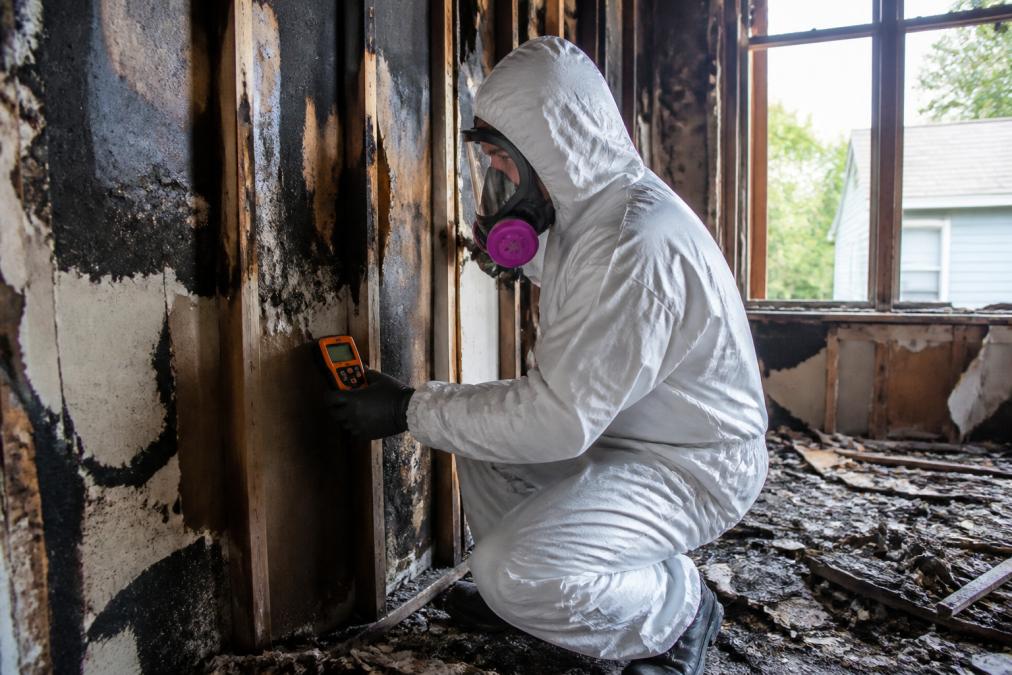
When you call, expect immediate triage. First, we document everything with photos and video for your insurance claim. Second, we secure the property against weather and further damage. Third, we begin water extraction and air movement to prevent secondary moisture damage. This approach stops the cascade of problems that turns manageable fire damage into total loss.
Our team handles the restoration process while you focus on recovery. We work directly with your insurance company, manage permits, coordinate contractors, and provide real-time updates through our Job-Dox system.
Call immediately, even if unsure about damage extent. Many property owners wait 24-48 hours to assess themselves. By then, mold spores colonize hidden spaces and structural damage progresses. Early intervention saves money and time.
The Fire Damage Restoration Process: From Assessment to Rebuild
Fire damage restoration is a coordinated sequence of specialized tasks, each building on the last. Understanding this process helps you know what to expect and why professional restoration takes time.
Initial Damage Assessment and Stabilization
The damage assessment determines everything that follows. Our technicians evaluate structural integrity, identify affected materials, and prioritize stabilization needs.
We use thermal imaging to detect hidden moisture in walls, check HVAC systems for smoke penetration, assess electrical systems for hazards, and document soot patterns. Stabilization happens simultaneously: boarding windows and doors, installing tarps over roof damage, setting up dehumidifiers and air movers, and removing standing water. This phase typically takes 24-48 hours.
The initial assessment and stabilization phase determines your final restoration cost and timeline. Rushing this step leads to missed damage, higher costs, and longer reconstruction periods.
Smoke and Soot Cleanup
Smoke and soot damage extends far beyond visible char marks. Microscopic soot particles travel through the entire structure, into wall cavities, HVAC ducts, cabinets, and closets, leaving acidic residue that continues damaging surfaces.
Professional soot removal requires specialized equipment. We use HEPA-filtered vacuums to capture particles, apply chemical treatments to neutralize acidic residue, and use dry-ice blasting or thermal fogging for deep penetration. We also disassemble, clean, and reassemble your entire HVAC system to prevent continued smoke odor distribution.
Water Damage Mitigation from Firefighting
Firefighting creates as much water damage as the fire itself. Sprinkler systems and fire hoses soak drywall, flooring, and structural materials. Standing water becomes mold breeding ground within 24-48 hours (the CDC).
We use industrial-grade pumps and vacuums to remove standing water, then deploy dehumidifiers and air movers to dry materials thoroughly. This process typically takes 3-7 days. We measure moisture levels using moisture meters and thermal imaging, create a drying plan, and monitor progress daily to prevent declaring a property “dry” when hidden moisture remains.
Structural Repair and Rebuilding
Once stabilized and dried, structural repair begins. This phase involves replacing damaged framing, flooring, drywall, and roofing. Our team coordinates with licensed contractors, manages permitting, ensures code compliance, and conducts inspections at each phase.
Timeline varies based on damage extent. Minor damage requires 2-4 weeks; extensive damage takes 3-6 months or longer.
Fire-weakened wood framing might look intact but fail under load. Concrete can spall and lose structural capacity. Professional assessment prevents hidden structural damage from creating mid-project delays and cost overruns.
Understanding Fire Damage Restoration Cost
Restoration costs depend on fire damage extent, water damage, structural damage, insurance coverage, and your deductible. The process involves labor, equipment, materials, and time.
Your insurance coverage significantly impacts out-of-pocket costs. Most homeowners policies cover fire damage restoration, but deductibles and coverage limits vary. Some policies cover contents restoration and temporary housing; others don’t.
Mr. Restore handles direct insurance billing, meaning we bill your insurance company directly rather than requiring upfront payment and reimbursement. This simplifies the process and reduces out-of-pocket costs. For costs exceeding coverage, we discuss options transparently.
Homeowners with standard homeowners insurance covering fire damage. Direct billing with your insurance company minimizes out-of-pocket costs and simplifies the financial process during an already stressful time.
Navigating the Fire Damage Insurance Claim Process
The insurance claim process intimidates most people. Having a restoration company that understands insurance claims makes an enormous difference.
You call your insurance company and report damage. They assign an adjuster who visits your property to assess damage and determine coverage. You submit your claim with documentation. The adjuster reviews and approves coverage for eligible items. You then proceed with restoration.
Documentation is critical. Photos, videos, receipts, and detailed descriptions support your claim. Mr. Restore handles much of this documentation during initial assessment, strengthening your claim and speeding approval.
Common mistakes include starting cleanup before the adjuster visits, failing to document damage thoroughly, and not understanding policy coverage limits. We prevent these mistakes by guiding you through each step.
Direct insurance billing adds real value. Rather than paying out of pocket, we bill your insurance company directly. This requires proper documentation, clear communication with the adjuster, and expertise in coverage. Our 18 years of experience means we know how to structure claims to maximize your coverage.
Residential Fire Damage Repair Timeline: What to Expect
Understanding the timeline helps you plan your life during restoration. Most residential fire damage follows this progression:
Days 1-3: Emergency response and stabilization. We arrive within 60 minutes, secure the property, remove standing water, and begin air movement.
Days 4-7: Water extraction and drying continues. We remove damaged materials, begin initial cleanup and soot removal, and complete structural assessment.
Weeks 2-3: Deep cleaning and soot removal throughout the structure, including HVAC systems. We remove damaged materials and begin reconstruction planning.
Weeks 4-8: Structural repair and rebuilding. We replace damaged framing, flooring, drywall, and roofing, install new electrical and plumbing systems if needed, and handle permitting and inspections.
Weeks 8-12+: Finishing work including painting, flooring installation, fixture hanging, and final details.
This timeline assumes moderate fire damage affecting one or two rooms. Extensive damage takes 4-6 months or longer. Timeline also depends on permit approval speed, contractor availability, and insurance claim approval.
Most residential [fire damage restoration](/fire-damage-restoration-cost/) takes 4-12 weeks from initial call to final completion. Early professional intervention and proper insurance documentation reduce timeline delays.
Residential vs. Commercial Fire Restoration: Key Differences
Residential and commercial fire restoration follow similar processes but differ in scale, complexity, and urgency.
Residential restoration focuses on returning your home to pre-loss condition. The emotional component is significant. Timelines matter because you need to return home. We prioritize getting you back while managing quality carefully.
Commercial fire restoration focuses on minimizing business interruption. A restaurant closed for weeks loses revenue and customers. An office building needs to reopen so employees can work. The urgency is financial. Commercial properties involve complex coordination with tenants, employees, customers, and vendors. Insurance considerations differ too, with different deductibles, coverage limits, and business interruption provisions.
Mr. Restore handles both residential and commercial fire damage restoration. Our team understands the different pressures and timelines each requires. For commercial clients, we prioritize rapid assessment and reconstruction so you can reopen quickly while maintaining quality standards.
Health Hazards After Fire Damage and Why Professional Remediation Matters
Fire damage creates immediate health hazards beyond what most people realize. Returning to a fire-damaged property without professional remediation puts you and your family at risk.
Soot and smoke particles contain toxic compounds including carbon monoxide and hydrogen cyanide (peer-reviewed research). Breathing these particles irritates lungs and respiratory systems. People with asthma, allergies, or respiratory conditions face particular risk.
Mold growth begins within 24-48 hours of water exposure. Mold produces spores and mycotoxins triggering allergic reactions and respiratory problems (the CDC). Mold hidden inside walls continues releasing spores long after visible cleanup.
Structural damage creates physical hazards. Fire-weakened framing might collapse. Damaged electrical systems create fire and electrocution risks. Damaged plumbing creates water damage and contamination risks.
Air quality testing determines whether a property is safe to occupy. We test before and after remediation to verify toxin removal and provide documentation for your insurance claim.
Professional remediation addresses these hazards systematically. DIY cleanup after fire damage is dangerous. You lack proper protective equipment, specialized cleaning agents, and air quality testing. Professional remediation protects your health and prevents costly future issues.
Fire damage creates immediate crisis and long-term recovery challenges. Decisions made in the first hours determine whether restoration succeeds or fails. Mr. Restore’s 60-minute arrival guarantee, 24/7 emergency response, and IICRC-certified team stabilize your property before secondary damage compounds the problem. Our direct insurance billing and real-time project updates through Job-Dox keep you informed and reduce out-of-pocket costs. Whether facing residential or commercial fire damage, our 18 years of experience and BBB A+ rating mean you can trust us to restore your property and your peace of mind. Contact Mr. Restore online today to connect with our emergency response team and begin your restoration journey.
Frequently Asked Questions
What should I do immediately after a fire in my home?
Call emergency fire damage repair services right away, most offer 24/7 response. Evacuate safely and stay out of the property until professionals assess structural integrity. Document damage with photos for your insurance claim. Avoid touching damaged areas, as soot and smoke residue contain toxic substances. Contact your insurance company and provide them with the restoration company’s information so they can coordinate directly. The faster you act, the better the outcome.
How long does residential fire damage repair typically take?
A residential fire damage repair timeline depends on the fire’s severity. Minor smoke damage cleanup may take days to weeks. Moderate fires requiring structural repairs and rebuilding typically take 2-6 months. Major fires can take 6-12 months or longer. Professional restoration companies provide a detailed timeline after the initial damage assessment. Working with a restoration company that offers real-time project updates helps you track progress throughout the process.
How does the fire damage insurance claim process work?
After calling for emergency fire damage repair services, the restoration company documents all damage with photos and a detailed assessment report. You file a claim with your insurance company and provide this documentation. Many restoration companies work directly with insurers and can bill them, streamlining the process. Your insurance adjuster inspects the property and determines coverage. Direct billing arrangements eliminate the need for you to pay out of pocket and wait for reimbursement, though your deductible still applies.
Is mold a risk after fire damage, and how quickly does it develop?
Yes, mold can develop within 24-48 hours in damp, fire-damaged areas, especially where firefighting water was used. Professional water extraction and structural drying prevent mold growth. Certified restoration technicians use specialized equipment and air quality testing to ensure moisture is removed completely. Waiting even a day increases mold risk significantly, which is why rapid response from qualified professionals is critical to prevent secondary damage and protect your health.
This article was written using GrandRanker